America Cannot Risk Losing Its Superpower Status, Analyst Says

America's Debt Crisis Forces It Into Unhappy Alliance
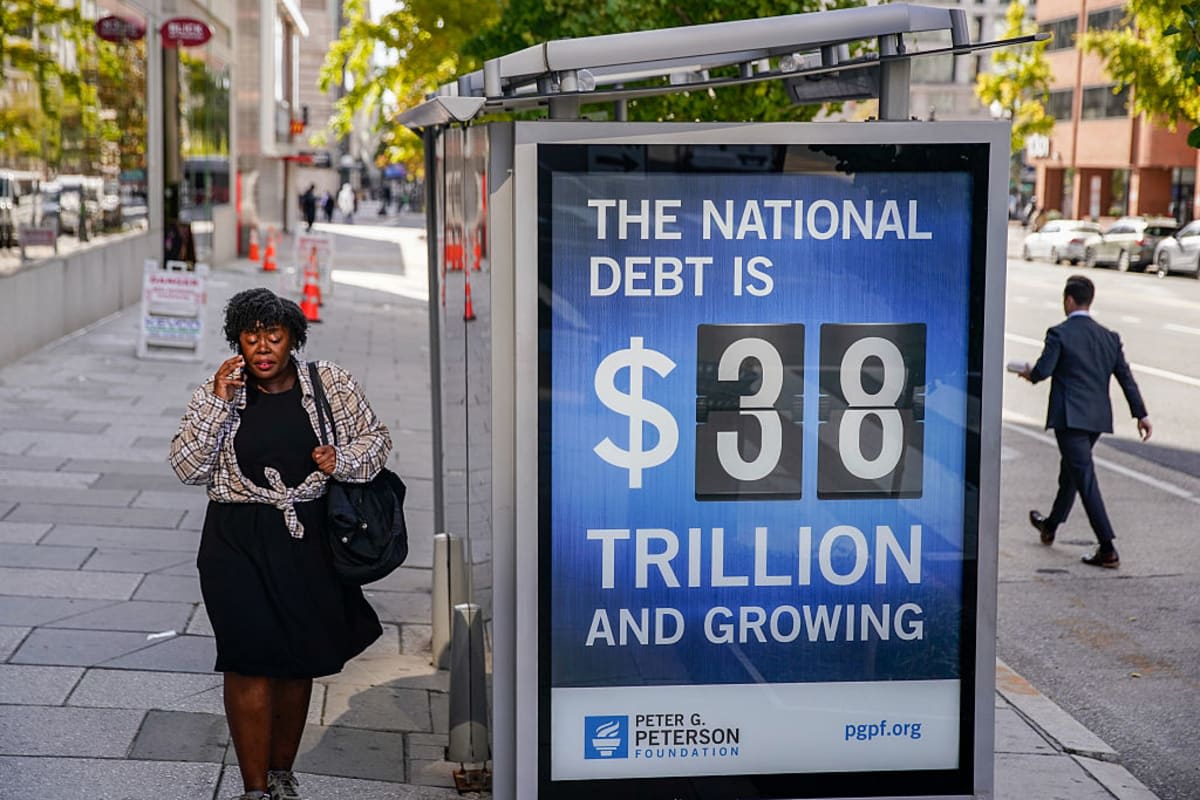
A year after Donald Trump became President, America's national debt is about to surpass $38 trillion, according to the Peter G. Peterson Foundation. Despite its dependence on the dollar for security, Europe is shifting from an unquestioning reliance on it to a more transactional and cautious alliance with the U.S. The reason for this change is that Europe is now the biggest foreign owner of U.S. debt, resulting in a complicated and occasionally antagonistic financial relationship.
The US-Europe Struggle

U.S. geopolitical strategist Dan Alamariu explained that the United States and Europe are still too closely linked militarily and economically to split apart, notwithstanding worries about a possible divide caused by President Donald Trump's interest in Greenland. Even as NATO nations are increasing their military budget, he highlighted the importance of European allies for U.S. superiority. Alamariu envisioned a future marked by complicated coexistence, including economic disputes and increased European autonomy, along with agreement on important topics like nuclear deterrence, Russia, and China.
Trump Aims To Reshape Alliance
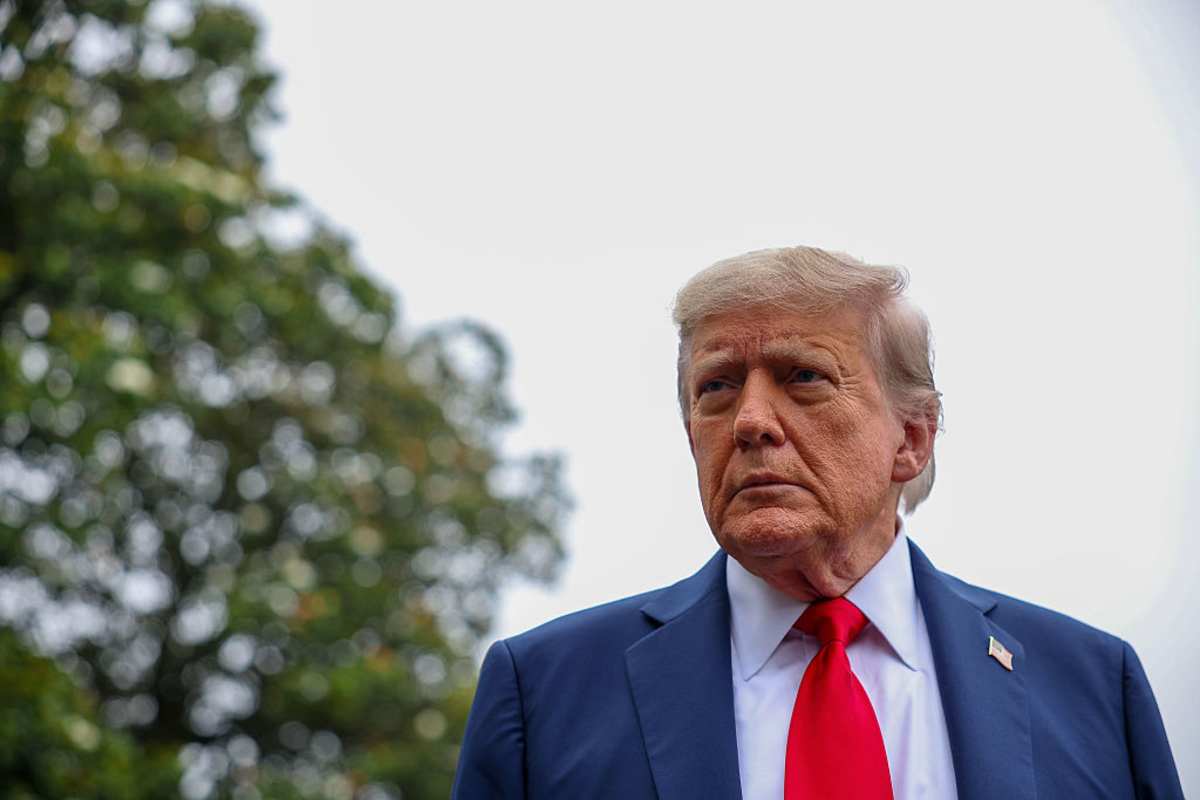
Secretary of State Marco Rubio underlined the Trump administration's goal to restructure NATO while reaffirming U.S. commitment in Europe at the Munich Security Conference, highlighting tense U.S.-European relations. Rubio faced criticism for his last-minute resignation from an important discussion on Ukraine, which highlighted difficulties in dealing with Russia's war. Although defense budgets have increased, Europe still depends on U.S. military capabilities for deterrence.
A Struggling Superpower
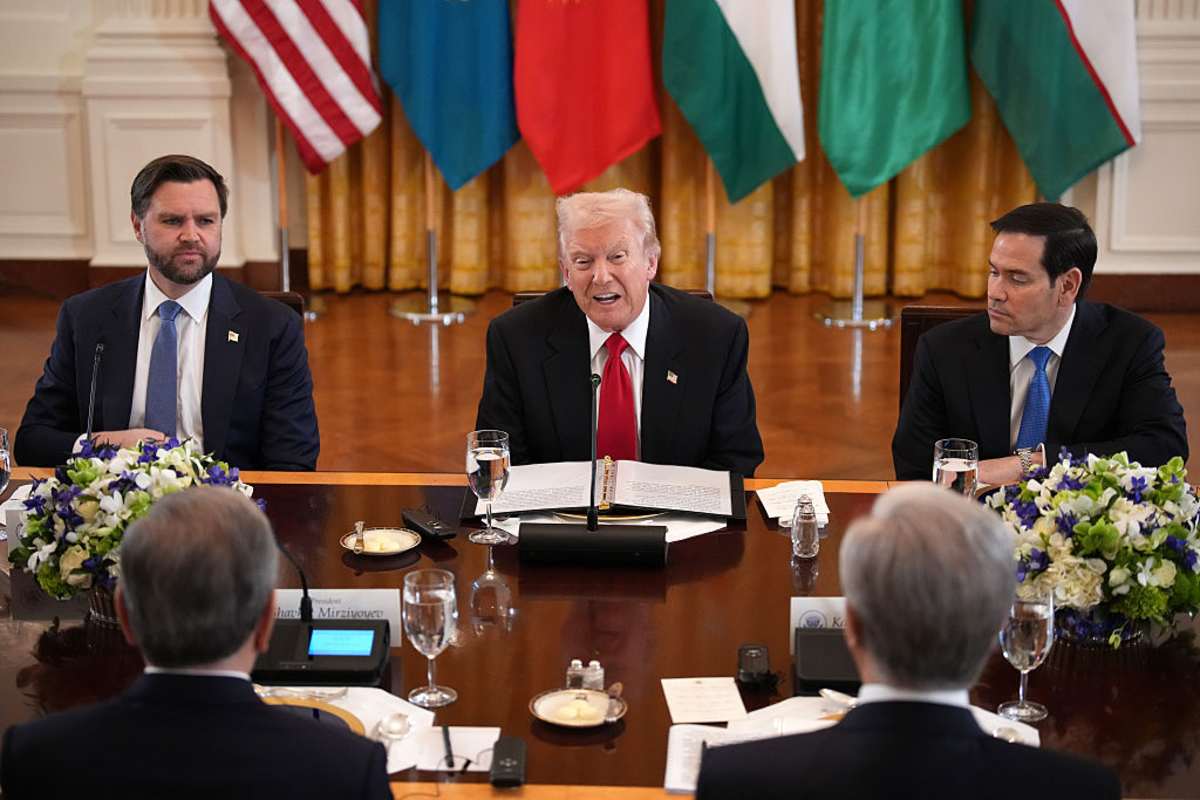
Alamariu claimed that if NATO is disbanded, South Korea and Japan would view the United States as a less significant friend, potentially undermining American control in the world. Even though Trump intends to drastically boost defense expenditure, Alamariu warned that the country cannot afford to give up its superpower status, given its worsening fiscal circumstances and growing deficits. He pointed out that the American economy is still more appealing to investors than Europe's and that the union is still supporting the country by buying Treasury papers. Moreover, he stated there is no indication regarding a significant liquidation of U.S. assets.
Europe Stuck With The US
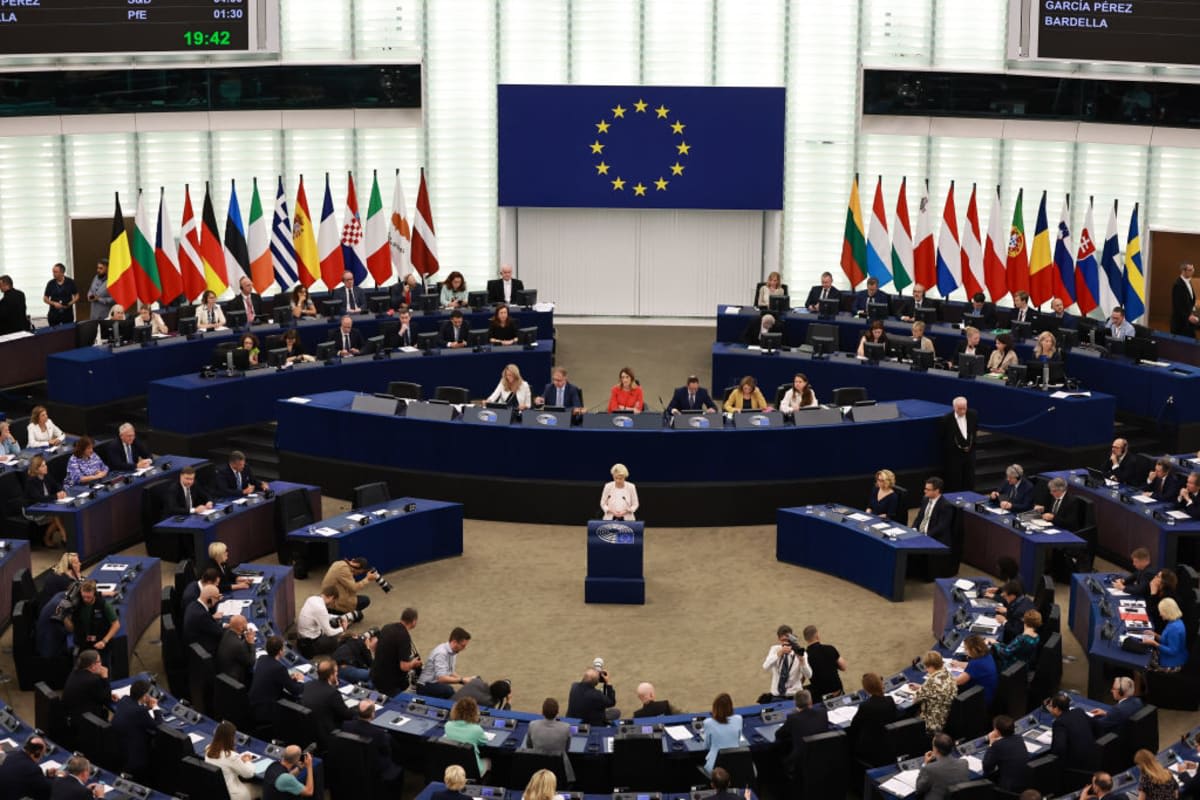
At the Munich Security Conference, EU foreign policy leader Kaja Kallas underlined the importance of U.S.-Europe collaboration, stating that the US frequently leads with European support, signaling mutual dependency, whereas Russia fights alone because it lacks partners. She emphasized China's role in bolstering Russia's assault on Ukraine by increasing cooperation, particularly in critical commodities, and its economic danger to Europe through low-cost imports. Despite pursuing selective autonomy in defense and economic areas, Europe is motivated to retain connections with the United States due to the persistent danger posed by Russia. The U.S.-European cooperation is likely to endure despite inherent conflicts.
Bottomline
Lyle Stein from Forvest Global Wealth Management highlighted significant divergences in government debt levels between the U.S. and Europe, noting that U.S. debt is around 140% of GDP compared to Europe's 80%. This disparity raises concerns about the strong dollar amid rising U.S. debt and interest rates, suggesting a precarious economic environment. Stein emphasized the implications of increasing debts and interest rates that outpace economic growth, arguing for a shift in investment strategies towards safer jurisdictions like Europe. He pointed out that lower interest rates in Europe make it an attractive option for equities, especially as U.S. bond yields have gone up due to an increase in government debt issuance.