February 20 Turned Out to be a Pretty Bad Day for Trump

February 20 Marked Major Economic Setbacks for Trump
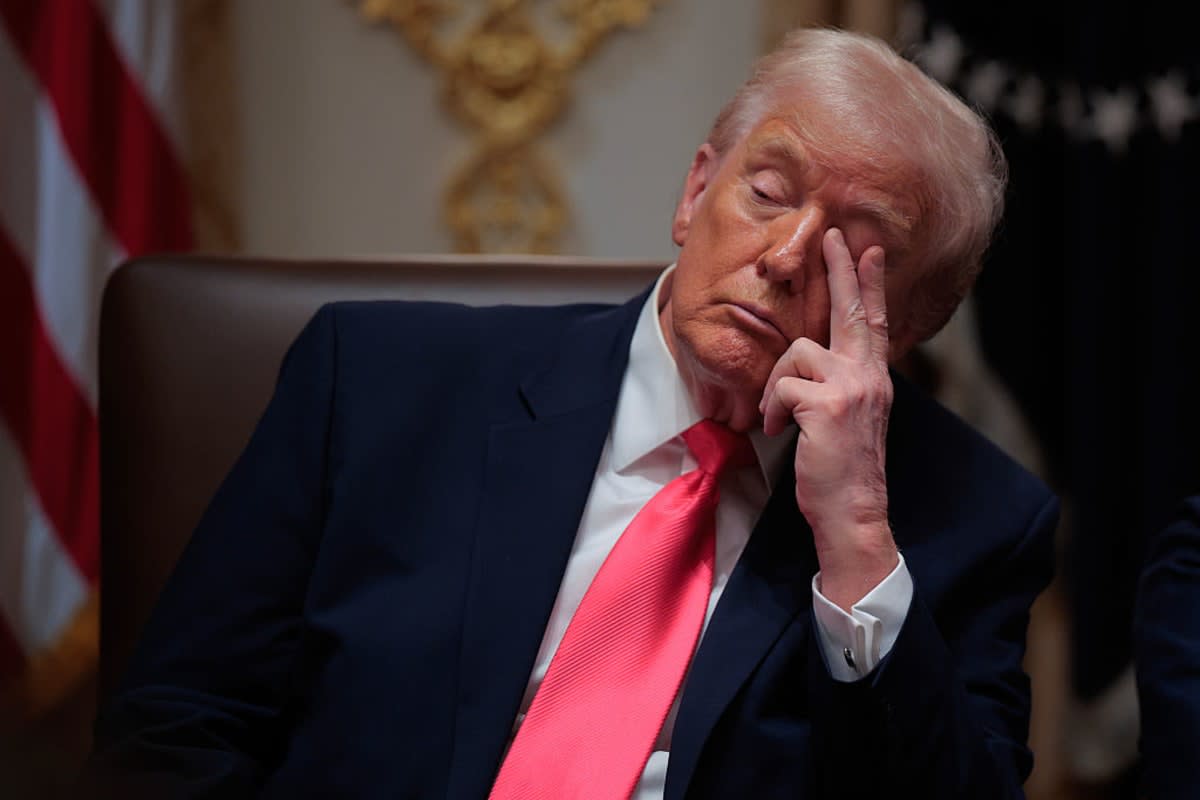
Ever since President Donald Trump returned to the White House, he has come across a series of mounting challenges that have complicated his presidential term. Constant policy roadblocks and strong resistance from both political opponents and lawmakers have slowed many of his agendas. Recently, Friday, February 20, 2026, became quite a turbulent day for the U.S. President as a series of political, legal, and economic blows intensified, all at once, pressurizing his administration to defend its trade policies. Here's everything that you need to know.
Slow Economic Growth

A new report revealed by the government showed that the U.S. economy grew at a slower pace at the end of last year, rising just at a 1.4% annual rate. The Department of Commerce blamed this slowdown largely on one of the longest government shutdowns that impacted public spending, which rose just 2.4 percent after a much stronger season during the summer. Several economists have noted that business and household activity still looked fairly steady, but the report claims that the economy may grow more slowly in the near future, as reported by Newsweek.
Trump's Response
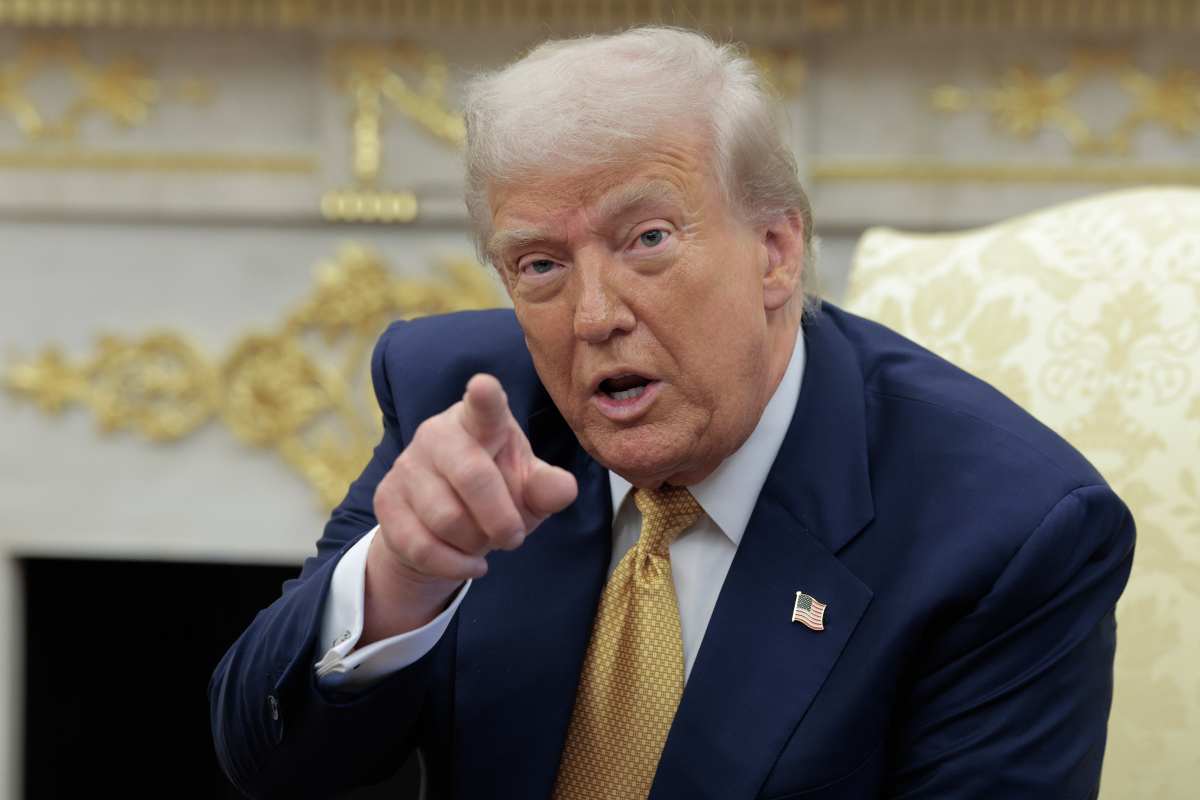
President Trump quickly took to his Truth Social account to defend himself as he said, "The Democrat Shutdown cost the U.S.A. at least two points in GDP. That’s why they are doing it, in mini form, again. No Shutdowns! Also, LOWER INTEREST RATES. 'Two Late' [Federal Reserve Chair Jerome] Powell is the WORST!!! President DJT." Trump has constantly criticized Fed Chair Jerome Powell for his decisions on interest rates and monetary policy. The president even accused him of weakening economic momentum in the country, and their tense relationship has raised concerns among economists and experts.
Rising Inflation

New reports revealed that the Federal Reserve’s key inflation measure also climbed 0.4% in December 2025. It was recorded to be around 2.9% higher than a year ago, marking the fastest annual increase since 2024. Underlying inflation also remained well above the central bank’s 2% target. This is the reason why many households are allegedly feeling the burden of rising living expenses even today, despite the fact that the overall economy is growing. However, it’s worth mentioning that consumers spent well in December even as inflation rose.
Supreme Court's Tariff Ruling
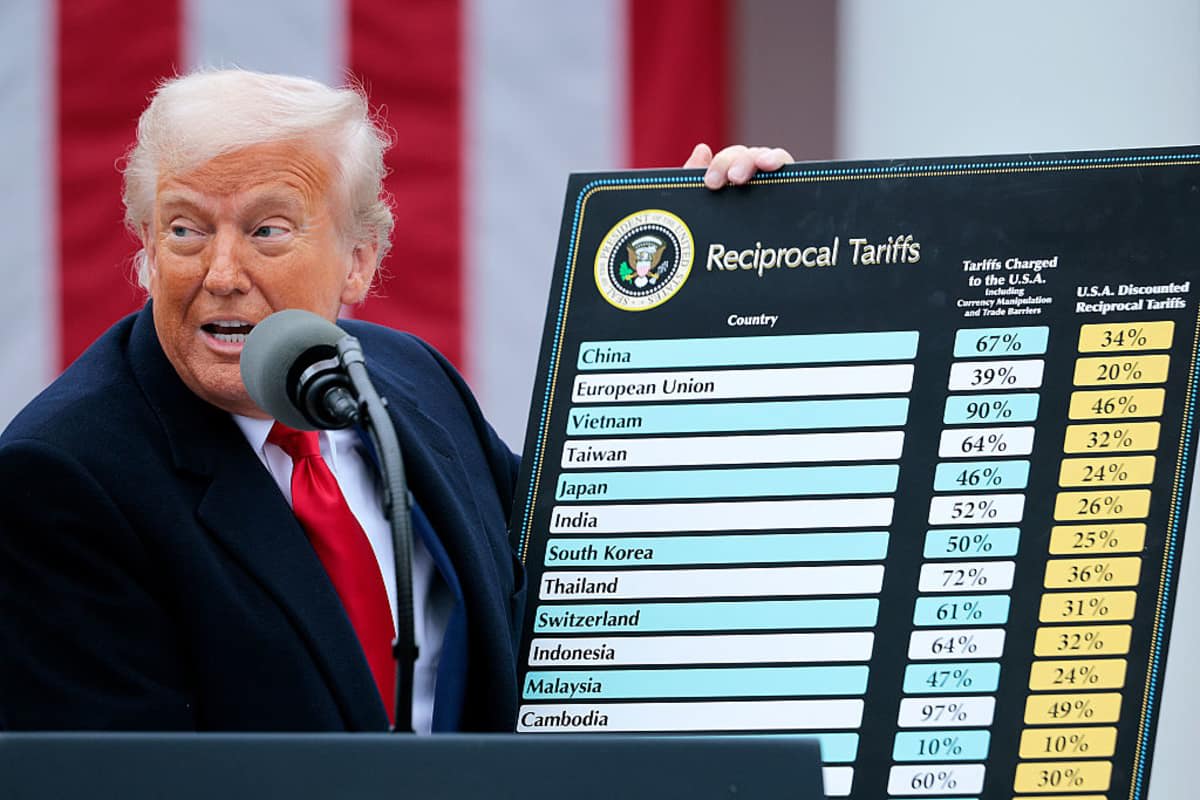
Another major challenge was that the U.S. Supreme Court voted 6–3 to strike down the broad import tariffs introduced under a 1977 emergency law. The lawmakers claimed that the president had overstepped his authority. The surprising decision was voted for by Chief Justice John Roberts, conservative justices Neil Gorsuch and Amy Coney Barrett, as well as the court’s three liberal members — Sonia Sotomayor, Elena Kagan, and Ketanji Brown Jackson. Opposing the decision were conservative justices Samuel Alito, Clarence Thomas, and Brett Kavanaugh.
Trump's Reaction to the Court's Decision
After the decision was announced, Trump attended a news conference and claimed that he was extremely disappointed. He even accused some of the justices of acting against the nation’s interests. Trump then went on to reveal that he would move forward with a new approach, announcing his plans for a temporary 10% worldwide tariff using another trade law that has never been used to apply tariffs before. “Their decision is incorrect. But it doesn’t matter because we have very powerful alternatives,” he said.