Trump Promised $2,000 Rebate Checks — So What’s the Status Now?

The Status Of Trump’s $2,000 Tariff Dividend Checks
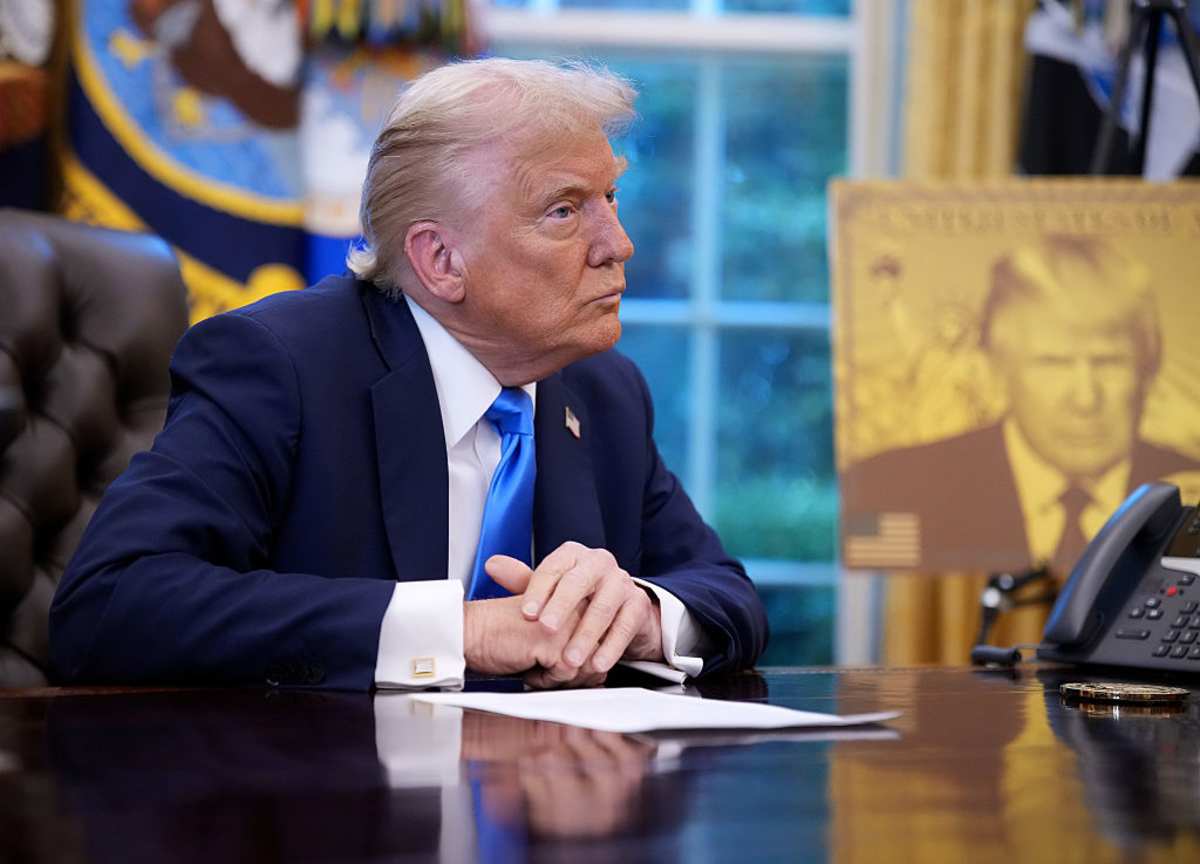
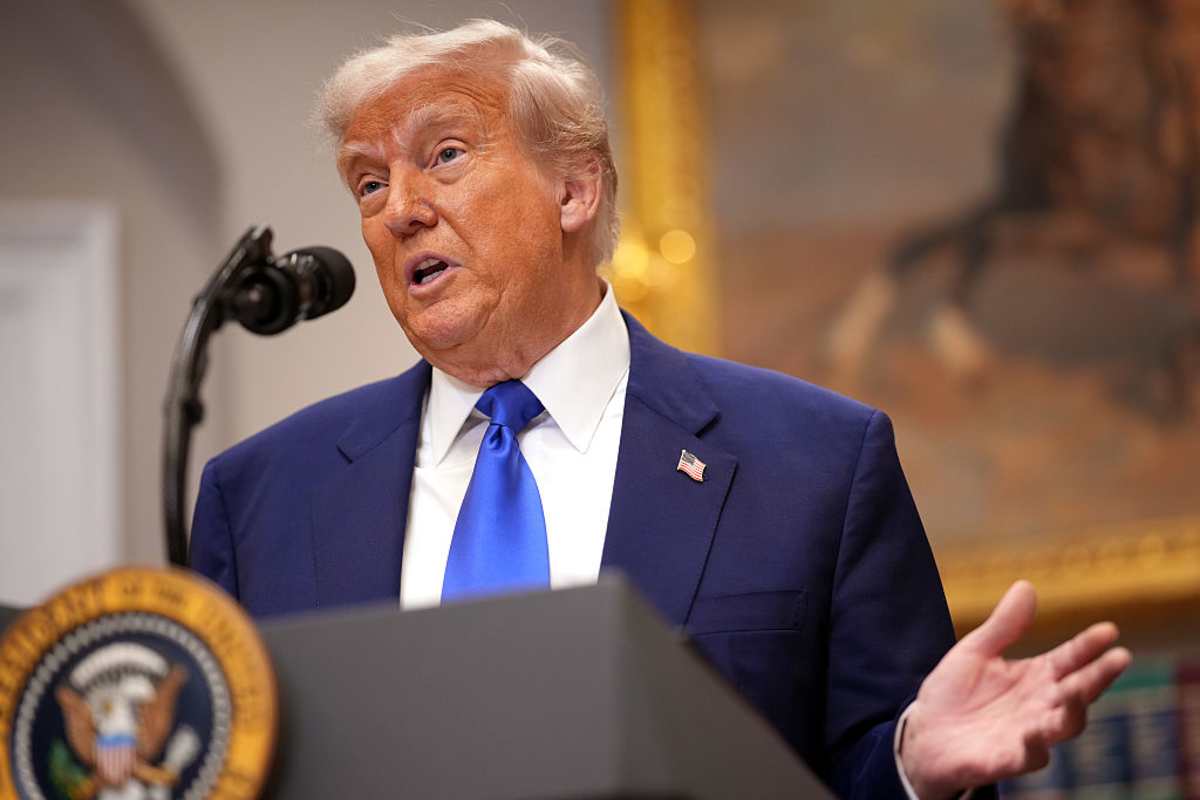
President Donald Trump announced potential $2000 rebate checks for all Americans, contingent on Congressional approval. The Treasury Secretary Scott Bessent also indicated these payments would focus on working families and be subject to income limits. While Trump estimated rebates could start by mid-2026, challenges exist, including a Supreme Court review of the tariffs intended to fund them. Analysts note that the total cost of the rebates, approximately $600 billion, exceeds the projected $200 to $300 billion income from the tariffs.
Have Tariff Revenues Achieved Target?
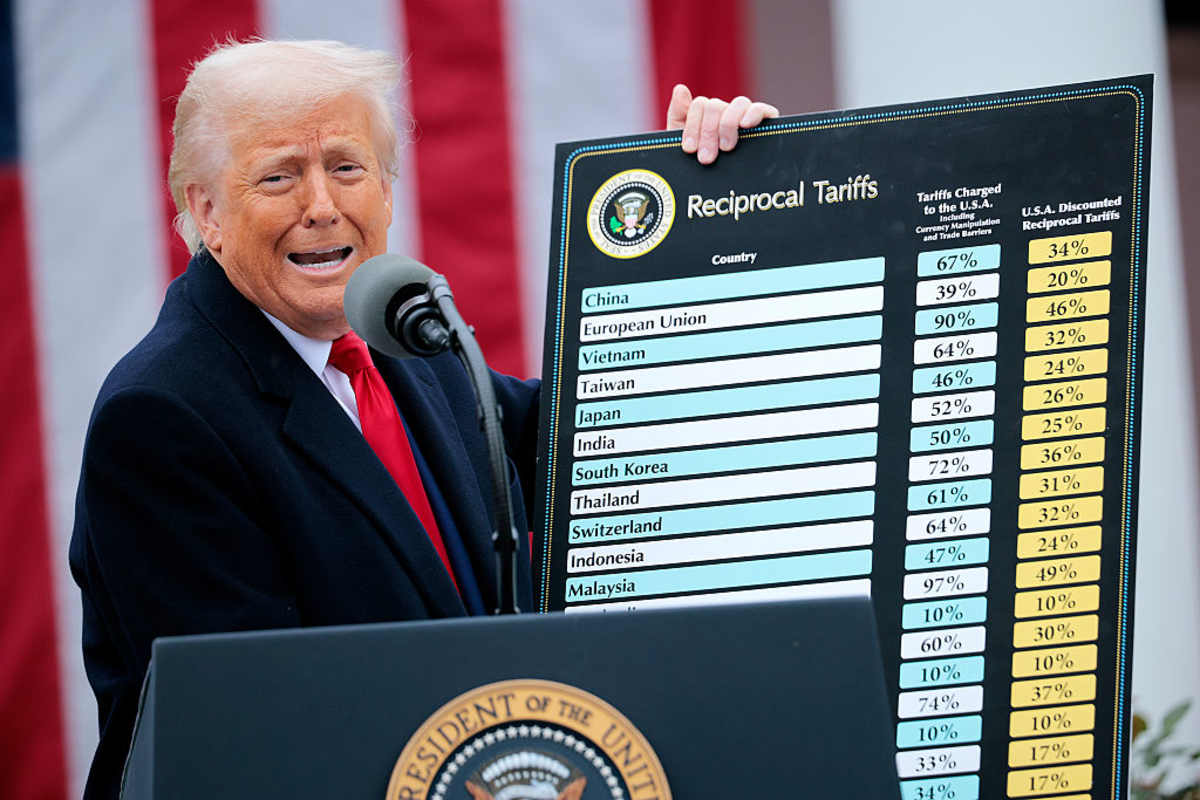
“We have taken in, and will soon be receiving, more than 600 Billion Dollars in Tariffs,” Trump posted on Truth Social this week, asserting his promise ahead of the Supreme Court verdict, which is expected on Friday. “A dividend of at least $2000 a person (not including high-income people!) will be paid to everyone,” he had posted on Truth Social in November after floating the idea of rebate checks. National Economic Council Director Kevin Hassett last month backed the proposal while appearing on CBS’s “Face the Nation," saying, “I would expect that in the new year, the president will bring forth a proposal to Congress to make that happen.” A White House official recently told CNBC that “President Trump’s tariffs are raising historic revenue for the federal government, and the Administration is committed to putting that money to good use for the American people.”
Figures Pose Challenge
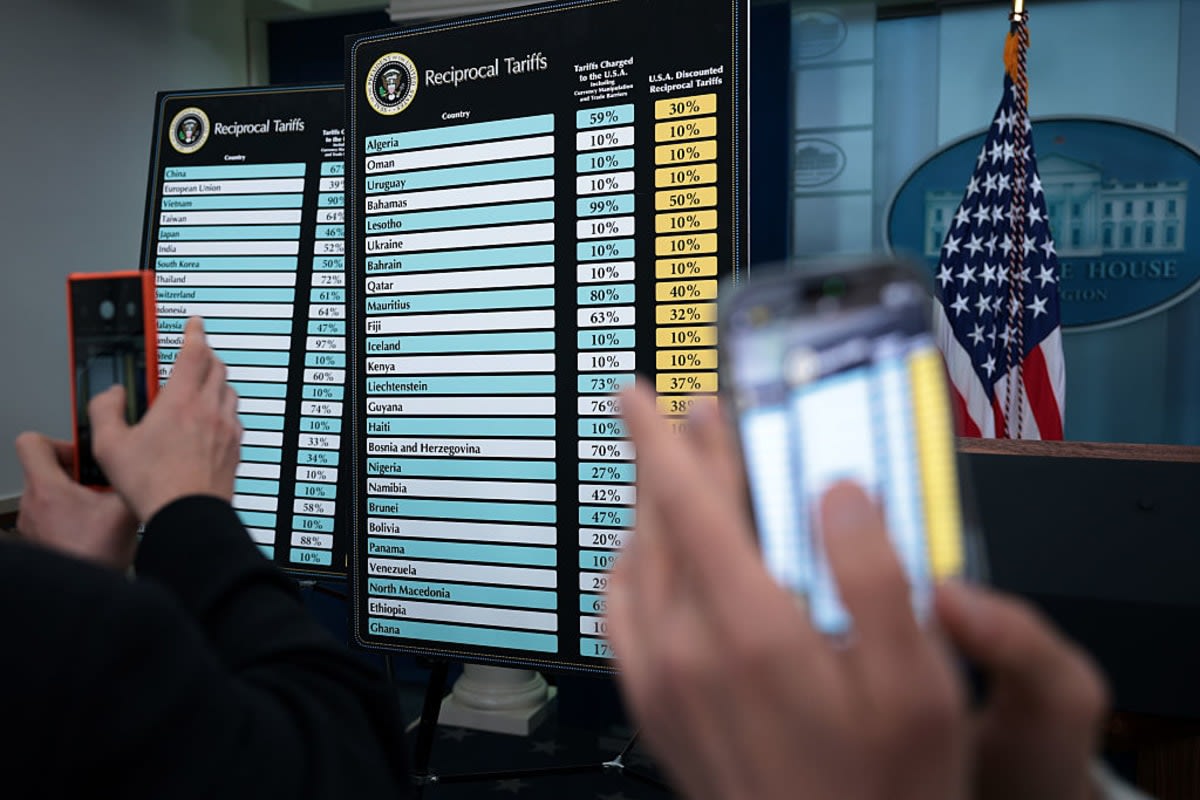
“Let’s be clear: President Trump’s claim that the U.S. government collected $600 billion from tariffs in 2025 is incorrect,” Brett House, economics professor at Columbia Business School, clarified, laying out the facts.“The White House may decide to issue so-called tariff dividend checks in 2026, but they won’t be fully financed by U.S. tariffs, and they won’t be dividends since Americans paid these tariffs in the first place,” House said. “It’s not a dividend when you give money back to people that they paid earlier.” The U.S. gross tariff income in 2025 was $289 billion, according to the Bipartisan Policy Center, although the Customs and Border Protection department reported collecting about $200 billion in customs taxes alone.
Consumers Still Pressured

With an average effective tariff rate of 16.8%—the highest since 1935—consumers paid an average of $1,700 per household in 2025. Their purchasing power fell into negative figures in December, indicating economic instability. For those making less than $100,000, a proposed one-time $2,000 tariff rebate would cost $450 billion, far more than the anticipated income from tariff increases in 2026. A Goldman Sachs report indicated that consumers have borne over half the tariff costs, and foreign producers have not significantly impacted prices. Ultimately, U.S. families and businesses face higher living costs and reduced spending power, which could potentially lead to a decline in jobs and economic growth.
Things Remain Unresolved
President Trump is continuing to advocate for $ 2,000 checks for Americans, funded by tariff revenues. Meanwhile, White House officials are exploring legal avenues, but note that congressional approval is necessary. Analysts indicate the checks may not be universal, with uncertainties regarding income limits, dependents, and distribution timing still unresolved.
Bottomline
Hassett clarified how tariff rebates are dependent on congressional action while appearing on "Face the Nation". Sen. Josh Hawley's American Worker Rebate Act of 2025, which proposes tariff-funded rebates, is currently at a standstill in the Committee on Finance. Any broad-based benefit program would require new legislation, which does not already exist, Kates said. Additionally, if the Supreme Court rules that Trump's tariffs are illegal, it might result in refunds for businesses that have already paid these charges.